October 23, 2026
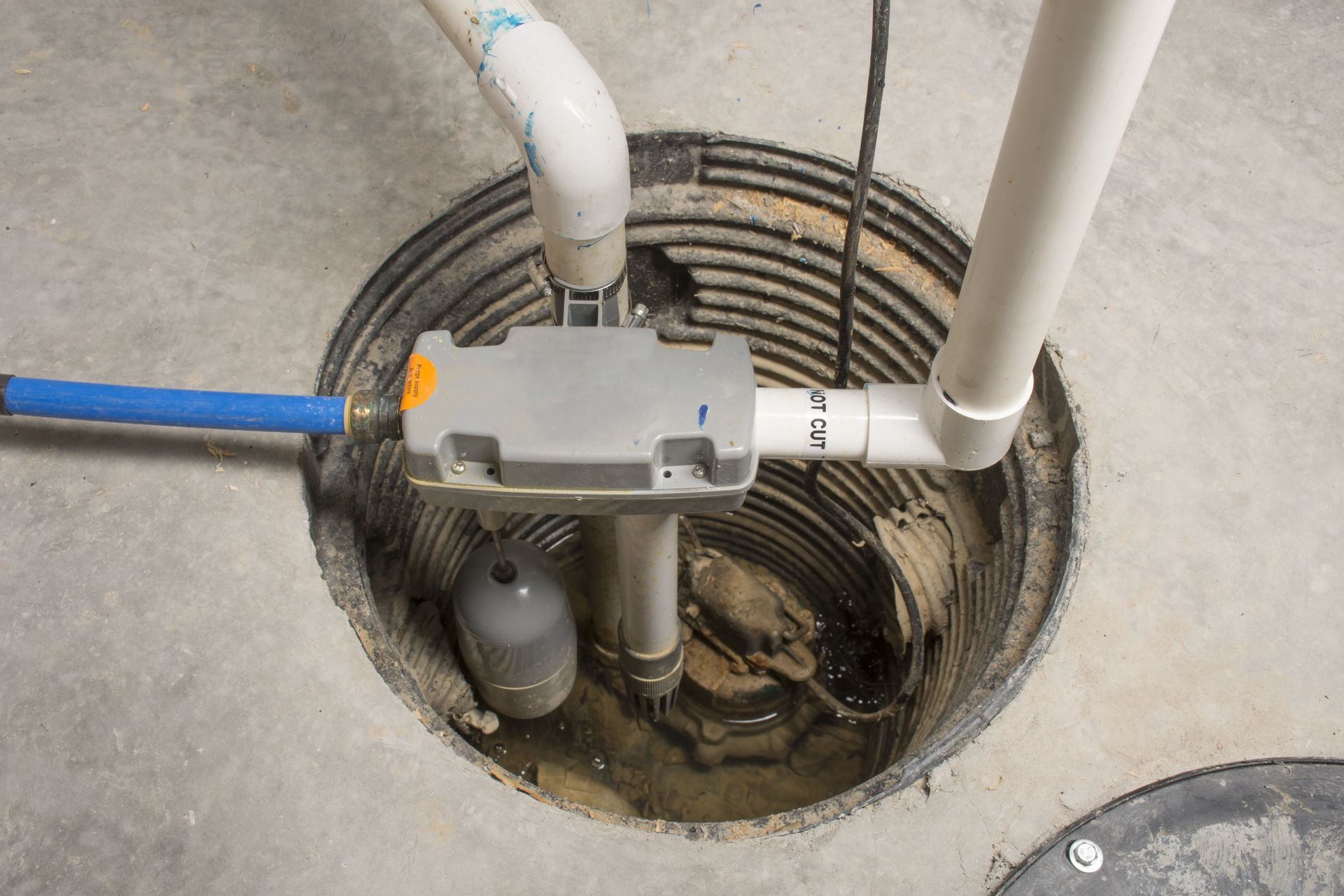
Sump pumps tend to stay out of sight and out of mind until they are suddenly needed. Located in a basement, crawl space, or another low point of a property, these systems help manage groundwater before it can create damaging moisture problems. During ordinary conditions, a pump may operate only occasionally, making it easy for property owners to assume everything is working properly. Unfortunately, problems often become noticeable precisely when heavy rainfall or rising groundwater places the greatest demand on the system.
This timing is one reason sump pump failures can feel so sudden. A component that has been slowly deteriorating may continue to function during light use but fail once conditions become more demanding. When that happens, sump pump repairs may become urgent because water can accumulate quickly. Understanding why problems frequently emerge during severe weather can help property owners recognize the importance of professional inspections, routine maintenance, and prompt attention to warning signs.
Why Do Sump Pumps Fail Under Heavy Demand?
A sump pump experiences its greatest workload when large amounts of groundwater enter the pit within a short period. Extended rainfall, saturated soil, and rapidly changing groundwater conditions can cause the system to cycle much more frequently than it does during normal weather. A pump that seemed reliable during lighter conditions may suddenly struggle when it must operate repeatedly for an extended period.
The amount of water these systems may need to manage can be significant. According to Fixr, smaller utility sump pumps can move around 1,800 gallons per hour (GPH), while fully sized pumps intended for heavier use can move 10,000 GPH or more. This difference demonstrates why proper pump capacity and system condition matter when water begins entering a property rapidly.
Why Do Sump Pumps Hide Developing Problems?
Many mechanical problems develop gradually rather than causing an immediate shutdown. A pump may become less efficient over time while continuing to activate when water enters the pit. Because the system still makes familiar operating sounds and appears to move water, a property owner may not realize that its performance has declined. The difference may become obvious only when unusually wet conditions require sustained operation.
Wear can affect several parts of the system. Moving components experience repeated stress, electrical connections may deteriorate, and switches can become unreliable. Sediment and debris may also interfere with normal operation. These conditions do not always produce obvious symptoms during periods when groundwater levels remain low.
This hidden deterioration explains why a failure can appear unexpected even though the underlying condition has been developing for some time. Professional inspections can identify abnormalities that may otherwise remain unnoticed. When technicians recommend sump pump repairs, addressing those concerns before the next period of heavy rainfall can reduce the likelihood of discovering a serious malfunction during an emergency.
Why Do Sump Pumps Depend on Reliable Discharge?
The pump itself is only part of a larger water-management system. After groundwater enters the sump pit, it must be moved through a discharge line and released away from the structure. If that pathway becomes restricted, damaged, or otherwise unable to carry water efficiently, even a functioning pump may struggle to keep the pit under control.
Discharge problems can become particularly noticeable during storms because the system is handling a greater volume of water. A partial restriction that causes little trouble during occasional operation may significantly reduce performance when the pump is running frequently. Water that cannot leave the system efficiently may contribute to longer operating cycles and additional strain on the equipment.
Why Do Sump Pumps Become Vulnerable During Storms?
Severe weather creates several challenges at the same time. Groundwater may rise, drainage systems may receive more water, and the sump pump may need to run for extended periods. At the same time, storms can create electrical disruptions that affect equipment relying on household power. These overlapping conditions help explain why a system can encounter trouble when its operation is most important.
A pump that frequently starts and stops during wet conditions experiences substantially more stress than one that operates only periodically. Existing wear may become more significant under that workload. If the system has an unreliable switch, weakened motor, obstructed discharge path, or another developing problem, storm conditions may reveal the weakness quickly.
Why Do Sump Pumps Require Routine Professional Attention?
Because these systems may remain inactive for long stretches, their condition can be difficult to judge based solely on everyday observation. A pump that worked during the previous rainy period is not automatically prepared for the next one. Components can deteriorate between periods of heavy use, and changing drainage conditions may place different demands on the equipment.
Professional maintenance gives technicians an opportunity to evaluate how the system is operating before an emergency occurs. They can look for signs of wear, improper cycling, drainage concerns, and other conditions that may compromise performance. This type of assessment can also help determine whether the equipment is suitable for the amount of water the property commonly experiences.
Maintenance can be especially valuable for systems that have experienced previous problems or irregular performance. Instead of waiting for water accumulation to reveal a malfunction, property owners can respond to developing concerns earlier. Timely sump pump repairs can support more reliable performance while reducing the chance that a hidden issue will remain unnoticed until conditions become severe.
Why Do Sump Pumps Need Prompt Professional Service?
Delaying service can allow a relatively limited mechanical or drainage concern to place additional strain on other parts of the system. For example, a pump that runs longer than necessary because water is not moving efficiently may experience unnecessary wear. Similarly, unreliable activation can allow water levels to rise before the equipment begins operating.
Prompt professional attention is also important because sump pump problems are not always caused by the component that appears to be malfunctioning. A technician can evaluate the complete system and identify factors contributing to poor performance. This approach helps avoid assumptions and allows the appropriate service to be based on the actual condition of the equipment.
Arranging sump pump repairs at the first sign of unusual operation provides an opportunity to resolve concerns while conditions are still manageable. Although no mechanical system can be guaranteed against every possible failure, proactive service can improve reliability and provide greater confidence when heavy rain places increased pressure on the property's drainage system.
Why Do Sump Pumps Matter for Long-Term Property Protection?
Water intrusion can affect more than the immediate area around a sump pit. Excess moisture may reach flooring, stored belongings, finished spaces, and building materials. Persistent damp conditions can also create an uncomfortable environment and contribute to additional property concerns. For these reasons, reliable groundwater management is an important part of protecting lower areas of a building.
A properly functioning sump pump provides a way to manage water before it spreads into vulnerable spaces. Its value is often most apparent during periods of prolonged rainfall, when surrounding soil becomes saturated and groundwater pressure increases. Maintaining dependable equipment helps the property's broader drainage strategy function as intended.
Rather than viewing sump pump repairs only as an emergency response, property owners can consider professional service part of ongoing water-management planning. Monitoring system performance, addressing unusual behavior, and arranging qualified evaluations can help reduce unpleasant surprises when weather conditions suddenly become demanding.
Why Do Sump Pumps Benefit From Proactive Planning?
Sump pump problems often seem to happen at the worst possible moment because difficult conditions expose weaknesses that were already developing. Heavy rainfall does not necessarily create every malfunction. Instead, it can place enough demand on worn, restricted, or unreliable equipment to make an existing issue impossible to overlook.
Proactive planning can help property owners avoid relying on assumptions about equipment that operates largely out of sight. Professional evaluation provides useful information about system condition and can identify concerns before the next major period of wet weather. Responding early may also reduce the stress associated with discovering a problem while groundwater is already rising.
If your sump pump is operating unusually or you want greater confidence in your drainage system, contact Hopke Sewer & Drain Inc. We can evaluate your equipment, identify potential concerns, and provide sump pump repairs when necessary. Our team can help you keep your system prepared so you can depend on it when wet conditions place the greatest demands on your property.