September 5, 2026
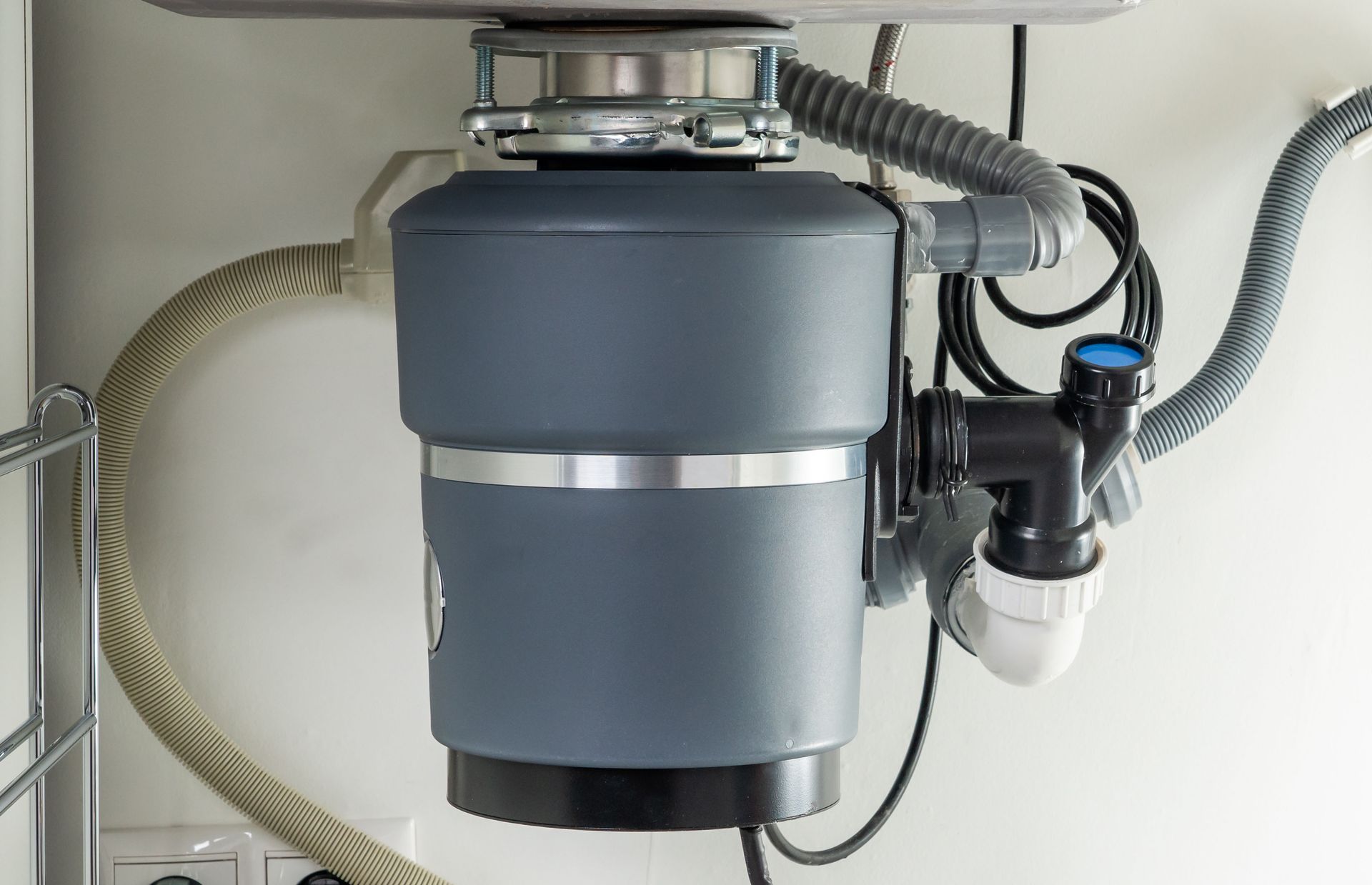
Modern residential kitchens have evolved into hubs of convenience where rapid cleanup mechanisms dictate daily routines. Among these innovations, food waste units beneath the sink have transitioned from luxury amenities to essential household appliances. Homeowners increasingly depend on these devices to manage waste efficiently while reducing the volume of trash sent to local landfills. This growing reliance highlights a fundamental shift in how societies handle domestic waste management at the source. As food scrap grinding becomes an automated expectation rather than an occasional choice, understanding the mechanics, maintenance, and long-term impacts of these systems becomes essential for every property owner.
Examining the Shift in Daily Kitchen Habits
Culinary practices in contemporary homes generate significant organic debris that requires immediate disposal. Rather than letting scraps sit in indoor trash cans, creating unpleasant odors and attracting pests, residents favor instant disposal through sink drains. This behavioral change stems from busy lifestyles where speed and sanitary convenience remain top priorities. As meal preparation patterns shift toward fresh ingredients, the volume of peelings, rinds, and leftovers processed through sink drains rises proportionally. Consequently, the sink basin serves as a primary processing zone, altering expectations around food disposal and solidifying the appliance as an indispensable component of everyday home operation in households.
Analyzing the Modern Household Reliance on Grind Technology
Widespread adoption of under-sink food processing units reflects a major cultural standard across North American suburban and urban developments. According to Dataintelo, in the United States alone, more than 50 million households are estimated to have a garbage disposal unit. This immense saturation reveals how deeply integrated these mechanisms have become in residential infrastructure. Families rely on continuous power models to pulverize waste within seconds, seamlessly moving organic material into wastewater treatment pathways. As housing developments standardize these appliances, consumer reliance grows, turning an engineered mechanical accessory into a basic utility that dwellers expect to function continuously without friction.
Evaluating Municipal Environmental Impact From Food Scraps
Redirecting organic waste from land disposal sites to water treatment infrastructure produces notable ecological consequences. Food decaying in traditional landfills generates methane gas, a potent greenhouse gas that accelerates warming trends. In contrast, wastewater treatment facilities often capture solids to convert them into biogas energy or nutrient-rich fertilizer. By utilizing sink disposal appliances, communities divert thousands of tons of organic material away from local waste streams. However, this transfer increases the organic load delivered to sewage networks, requiring municipalities to expand processing capacity while encouraging households to manage their units responsibly to protect municipal pipe infrastructure across expanding urban regions.
Identifying Common Mechanical Failure Points With Frequent Use
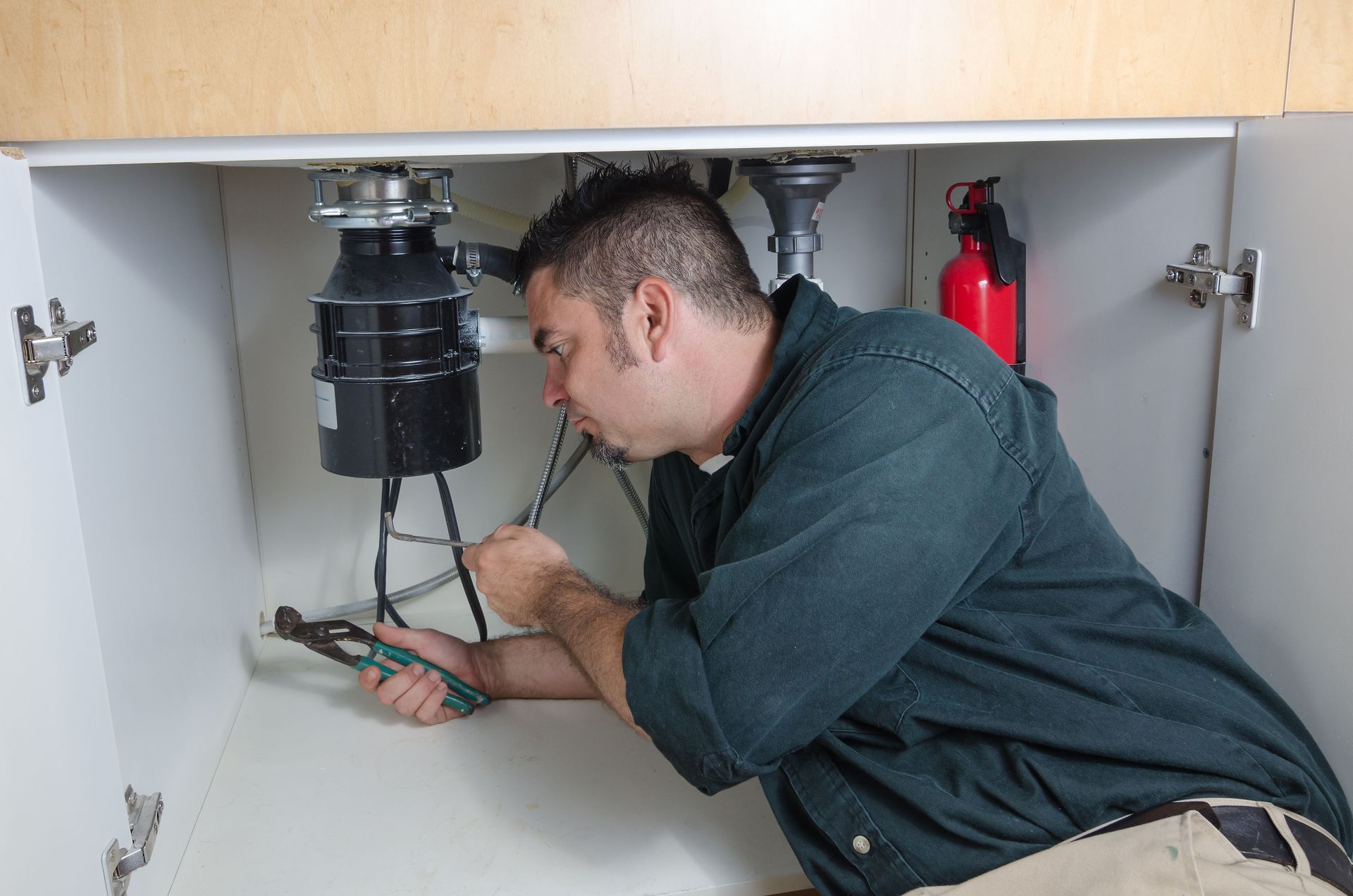
Heavy reliance on grind mechanisms eventually leads to wear, jam events, and motor overheating. Fibrous vegetables, small bones, and accumulated grease often stall internal impellers, causing system shutdowns or persistent leaks beneath the sink basin. When internal impellers jam, electrical breakers trip to prevent electrical fires. Addressing these sudden breakdowns promptly with garbage disposal repair becomes a priority for households accustomed to effortless waste removal. Consequently, seeking prompt garbage disposal repair ensures that kitchen operations resume quickly without causing water damage. Understanding these issues helps homeowners identify early warning signs, such as abnormal grinding noises or slow drainage, before complete motor failure occurs.
Navigating Complexities Surrounding Domestic Appliance Maintenance
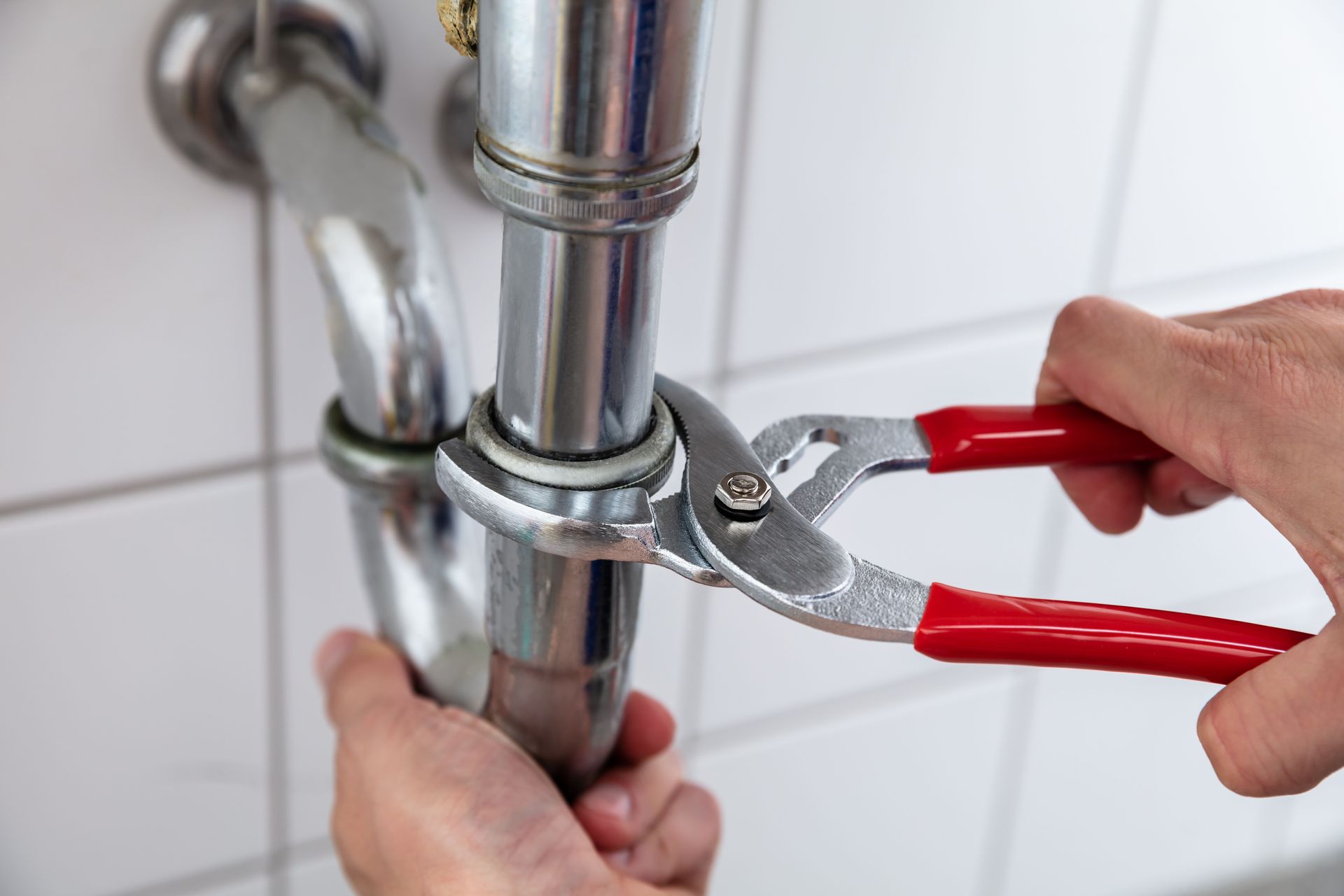
Maintaining robust grinding hardware involves understanding both electrical connections and plumbing lines. When standard clearing methods fail to resolve persistent jams, residents often seek specialized technical intervention. Investing in timely garbage disposal repair prevents minor mechanical clogs from evolving into extensive plumbing leaks that damage surrounding cabinetry. Modern appliances incorporate intricate seals and flywheels that demand precise handling during service. Attempting makeshift fixes without proper knowledge can misalign internal components, leading to accelerated wear. By addressing underlying issues systematically, homeowners preserve the structural integrity of their plumbing while extending the functional lifespan of their essential kitchen waste disposal equipment today.
Mitigating Plumbing Strain Through Preventive Measures
Preventing pipe obstructions requires adopting mindful habits while operating under-sink disposal units. Running cold water continuously during operation flushes shredded particles efficiently through drainage lines, preventing grease solidification. However, when improper items like coffee grounds or fibrous husks accumulate inside the drain trap, mechanical stress increases dramatically. Scheduling professional garbage disposal repair at the first sign of persistent backup protects home drainage networks from severe blockages. Regular maintenance checks, combined with proper usage habits, minimize the likelihood of emergency plumbing interventions, ensuring that household routines continue seamlessly without unexpected infrastructure failures or costly interior water remediation work across homes.
Assessing Financial Costs Associated With Household Maintenance
Managing home appliances involves balancing routine operation against potential maintenance expenses over time. While installing an in-sink waste system carries an initial purchase fee, long-term costs depend heavily on usage frequency and care habits. Ignoring minor mechanical warning signs can turn simple servicing tasks into costly appliance replacement projects. Investing in routine inspections prevents cascading damage to surrounding cabinetry and underlying drain lines. Homeowners who plan for periodic upkeep reduce emergency costs while maximizing their equipment efficiency. Financial awareness regarding home infrastructure upkeep encourages proactive care, protecting household budgets from sudden strains caused by neglected utility failure.
Surveying Technological Advancement in Noise Reduction
Modern engineering has significantly transformed the operating acoustic environment of under-sink waste processing units. Early disposal models produced jarring, high-decibel vibrations that disrupted domestic spaces during operation. Contemporary manufacturers incorporate advanced sound-insulated baffles, vibration-dampening mounts, and multi-stage grinding chambers to diminish operational noise dramatically. These technological improvements allow households to grind food waste without generating harsh disturbances in open-concept living layouts. As quiet motor performance becomes standard, consumer expectations continue rising, prompting engineers to refine acoustic insulation materials while maintaining powerful grind performance capable of pulverizing organic matter efficiently and reliably every single day.
Understanding the Role of Professional Maintenance Services
Relying on experienced tradespeople for appliance maintenance ensures that mechanical interventions comply with local plumbing and electrical codes. Complex tasks, such as replacing internal grinding impellers, resetting seized motors, or resealing main drain flanges, require technical expertise and specialized equipment. Engaging licensed professionals for garbage disposal repair protects home plumbing connections from accidental misalignment and costly water leaks. Expert technicians assess underlying issues accurately, restoring motor functionality while verifying that drain lines remain completely clear of stubborn debris. This professional support extends the operational lifespan of kitchen infrastructure, providing homeowners with dependable performance throughout years of intensive daily usage.
Predicting Future Trends in Urban Waste Reduction
As smart home technologies advance, in-sink waste systems are evolving to meet heightened environmental and efficiency standards. Modern units are increasingly integrated with sensors that detect load resistance, automatically adjusting motor torque to prevent jams before they occur. Furthermore, urban planners are assessing how municipal infrastructure can better accommodate continuous food waste grinding alongside composting initiatives. Even with advanced automated sensors, periodic garbage disposal repair will remain a critical service requirement to handle physical mechanical wear over time. The future points toward smarter, quieter, and more energy-efficient appliances, reinforcing their position as vital tools in sustainable waste management systems.
In sink waste management appliances have permanently reshaped how modern households process food scraps and maintain kitchen cleanliness. Their widespread integration offers immense convenience, diverts organic refuse from overflowing municipal landfills, and supports efficient municipal waste treatment frameworks. However, continuous mechanical reliance requires active user awareness, regular maintenance, and professional servicing when internal components wear down. As kitchen technology continues to evolve toward higher efficiency and quieter operation, these units remain essential components of residential plumbing infrastructure. Embracing responsible usage practices ensures that these indispensable appliances deliver long term convenience while protecting domestic plumbing systems and supporting broader environmental sustainability. Are you seeking professional assistance with garbage disposal repair in the Twin Cities of Minnesota and the rest of the state? Hopke Sewer & Drain Inc has you covered! Call today for more information or to schedule an appointment with us!