May 26, 2026
Changing weather patterns are making home water management more important for property owners. Heavy storms, longer rainy seasons and sudden flooding can place pressure on basements, crawl spaces, drainage systems and foundations. As a result, homeowners are paying closer attention to prevention, maintenance and sump pump repair as part of a broader plan for protecting their homes.
Severe Weather Patterns
Severe weather refers to extreme conditions such as hurricanes, intense rain, flooding, drought and major storms. These events can damage homes, disrupt utilities and overwhelm local drainage systems. As weather becomes less predictable, homeowners need to understand how water moves around their property and where weak points may exist.
In many regions, heavy rainfall is becoming a larger concern because storms can drop large amounts of water in a short period. When the ground cannot absorb that water quickly enough, runoff can collect near foundations, enter basements or strain storm drains. According to Fortune Business Insights, over 70% of water-related disaster events have caused more than $1 billion in damages, increasing reliance on sump pump systems in homes. This growing risk makes planning, maintenance and sump pump repair more important for homes in flood-prone areas.
Climate Change and Local Water Risks
Climate change can influence the frequency and intensity of weather events. While every storm is different, broader climate trends can contribute to heavier precipitation, longer droughts and more sudden shifts between dry and wet conditions. These changes make it harder for homeowners to rely on older drainage assumptions.
Local conditions also matter. Coastal communities may face storm surge and rising water levels, while inland areas may deal with flash flooding, saturated soil or overloaded creeks. Homes built before current weather patterns became common may need updated drainage systems, grading improvements and reliable sump pump repair to keep water under control.
Water Availability and Flooding Concerns
Changing rainfall patterns affect both water supply and water damage risks. Some areas receive too little rain for long periods, while others experience intense storms that overwhelm infrastructure. This inconsistency creates challenges for homeowners who need to conserve water during dry months and manage flooding during wet seasons.
Excessive rainfall can damage basements, flooring, electrical systems and stored belongings. Water may enter through foundation cracks, window wells, poor grading or clogged drainage lines. Once moisture enters a home, it can create mold concerns, structural issues and costly repairs. Preventive inspections can help identify problems before major damage occurs.
Groundwater and Foundation Pressure
Groundwater plays a major role in residential water management. After repeated storms, the soil around a home can become saturated, increasing hydrostatic pressure against basement walls and foundations. When that pressure builds, water may seep through small openings or weak areas.
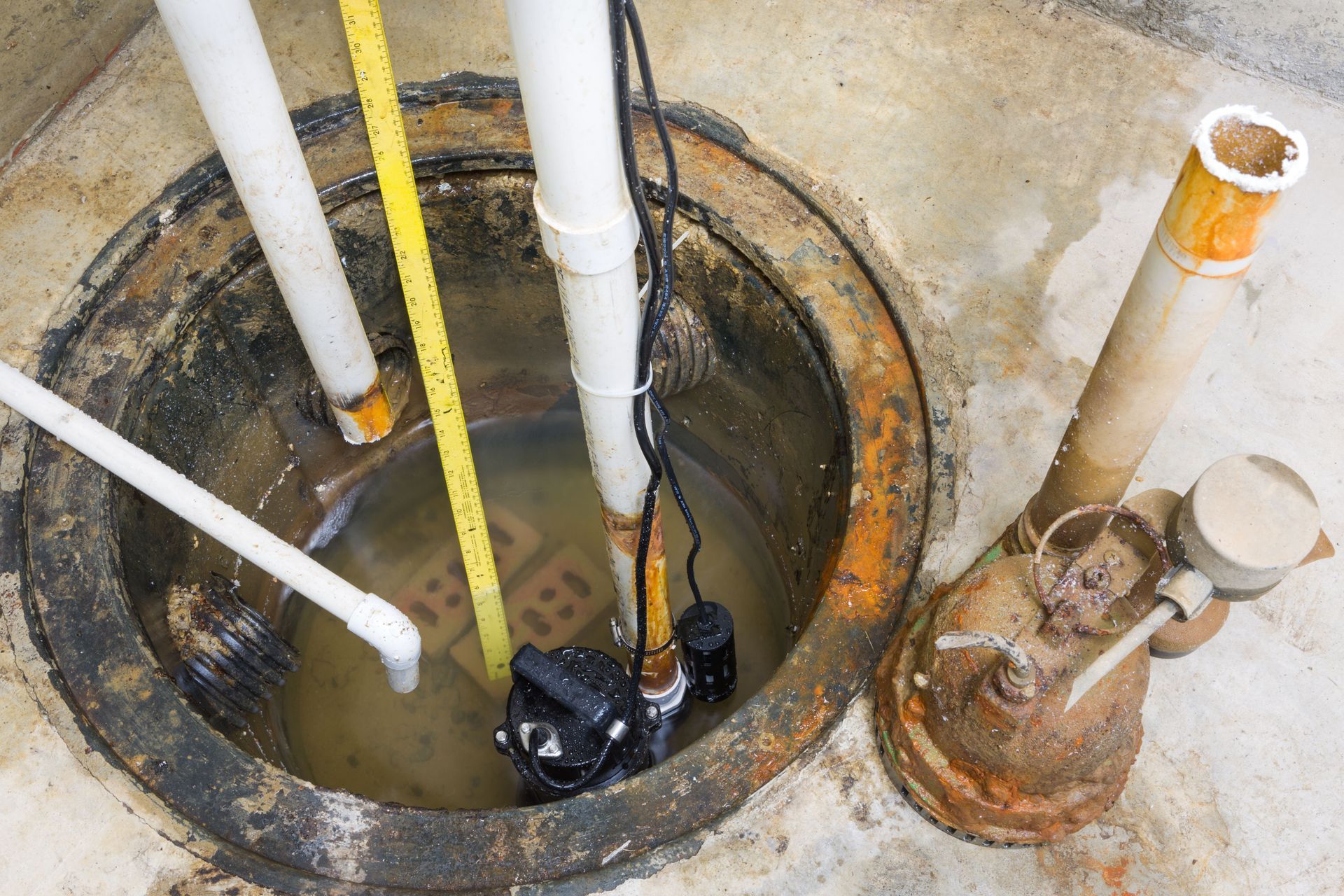
A properly functioning sump system helps collect and move water away from the home. However, pumps can fail due to age, debris, power loss, switch problems or improper installation. Timely sump pump repair helps reduce the risk of standing water and basement flooding during severe weather.
Home Drainage Systems
Home water management begins outside the house. Gutters, downspouts, grading, drains and landscaping all influence where water flows during a storm. If water is directed toward the foundation instead of away from it, even a strong interior system may struggle to keep up.
Homeowners should keep gutters clear, extend downspouts away from the structure and inspect low areas where water collects. French drains, swales and improved soil grading can also help redirect runoff. These exterior improvements work best when paired with indoor protections such as sump pump repair and moisture monitoring.
Technology in Water Management
Modern technology gives homeowners more tools to manage water risks. Smart water sensors can detect leaks or rising water levels before damage spreads. Backup batteries can keep pumps running during power outages, which often happen during severe storms.
Some sump systems now include alarms, Wi-Fi alerts and performance monitoring. These features help homeowners respond quickly if the system stops working. Technology does not replace maintenance, but it can make sump pump repair easier to identify before a small issue becomes an emergency.
Rainwater Harvesting and Reuse
Rainwater harvesting is another strategy homeowners may consider as weather patterns change. Collection barrels and larger storage systems can capture roof runoff for non-drinking uses such as irrigation. This can reduce demand on municipal water systems during dry periods.
However, rainwater systems must be planned carefully. Overflow should be directed away from the foundation, and storage containers should be maintained to prevent contamination or pest problems. When designed correctly, these systems can support conservation while reducing uncontrolled runoff around the home.
Water Filtration and Purification
Severe weather can also affect water quality. Heavy rain may carry sediment, pollutants and debris into local waterways. Flooding can place pressure on municipal systems and private wells, making filtration and testing important after major storms.
Homeowners using wells should be especially cautious after flooding. Testing water quality, maintaining filtration systems and checking for contamination can protect household health. These steps support a broader water management plan that addresses both water entry and water safety.
Maintenance Planning for Homeowners
Routine maintenance is one of the most practical ways to reduce weather-related water damage. Homeowners should inspect basements, crawl spaces, gutters, drains and pumps before storm seasons begin. Waiting until water is already entering the home can lead to higher repair costs.
A seasonal checklist can include cleaning gutters, testing pump operation, checking discharge lines, inspecting foundation cracks and reviewing backup power options. Scheduling sump pump repair before severe weather arrives can help homeowners avoid stressful surprises during heavy rainfall.
Long-Term Home Protection
Long-term water management requires a combination of prevention, technology and professional support. As storms become more intense in many regions, homeowners may need to update older systems to match current risks. A home that handled past rainfall well may still need improvements if local conditions have changed.
Emergency Preparedness During Severe Storms
Homeowners should also develop an emergency response plan for severe weather events that may lead to flooding or water intrusion. Preparing ahead of time allows families to act quickly if water levels begin rising around the home. Emergency kits should include flashlights, batteries, portable chargers, important documents and contact information for local emergency services. Keeping valuable belongings elevated in basement storage areas can also help reduce potential damage during unexpected flooding events.
Power outages are common during major storms, which can affect drainage and pumping systems. Installing a backup battery or generator can help maintain system performance during emergencies. Homeowners should periodically test these backup systems to confirm they are functioning properly before storm season arrives. In areas that experience repeated flooding, professional inspections and sump pump maintenance services may help identify weaknesses that could fail during extended periods of heavy rainfall.
Insurance and Financial Planning
Financial preparation is another important aspect of long-term water management. Many homeowners assume standard insurance policies automatically cover flood-related losses, but coverage often depends on the source of the water damage. Reviewing policies carefully can help homeowners understand deductibles, exclusions and available protection options before severe weather occurs.
Documenting the condition of the property with photos and maintenance records can simplify the claims process if damage happens. Receipts for inspections, waterproofing upgrades and sump pump services may also demonstrate that the homeowner took preventive measures to reduce risk. Maintaining organized records can save time and reduce confusion after a storm-related event.
Professional inspections can help identify hidden vulnerabilities, from poor drainage to aging pump components. By investing in maintenance and sump pump repair, homeowners can better protect their property, reduce flood risks and adapt to changing weather patterns with greater confidence.